
Hacksaw Gaming doesn’t design for casual play—they design for impact.
Their slots are known for:
Unlike some providers that rely on long sequences, Hacksaw bonuses are often short, violent, and decisive. You’ll know quickly whether a buy hits or not. That makes them perfect for bonus hunts—but also unforgiving if you’re not structured.
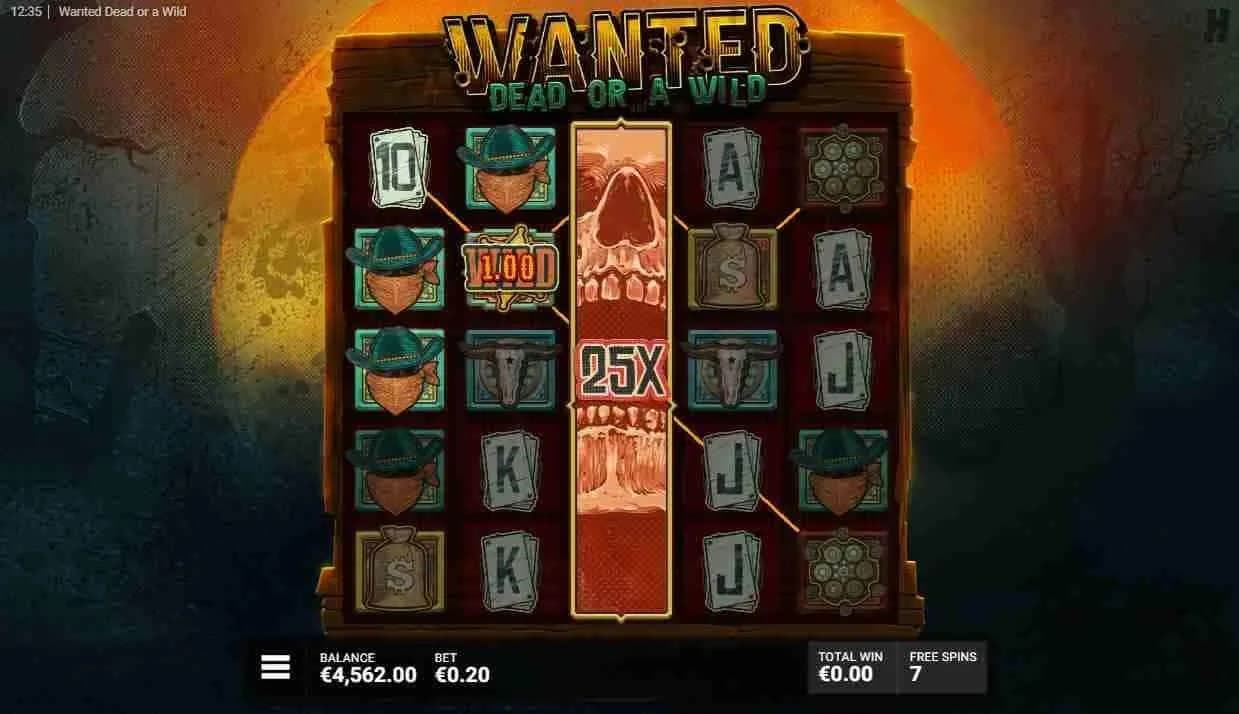
The crown jewel. The duel bonus is one of the most iconic features in slots, capable of producing life-changing wins off a single connection.
When duel wilds connect, it can pay for your entire hunt instantly. This is pure ceiling.

A modern favorite in bonus hunts.
Multipliers and feature stacking create unpredictable but massive upside when sequences align.
Multiple bonus layers mean more paths to a big hit, even if the base bonus is short.
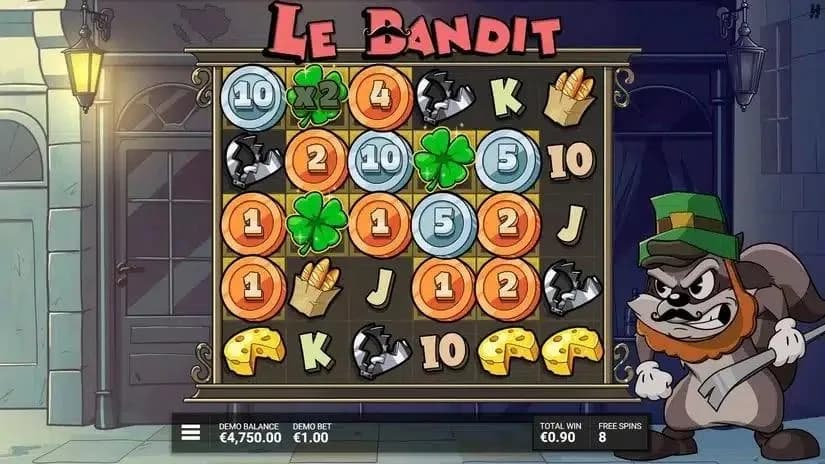
Highly volatile and often overlooked by newer players. It doesn’t hit often... but when it does, it hits hard.
Lower hit frequency, higher payout potential. Ideal for hunts where you’re chasing one breakout win.
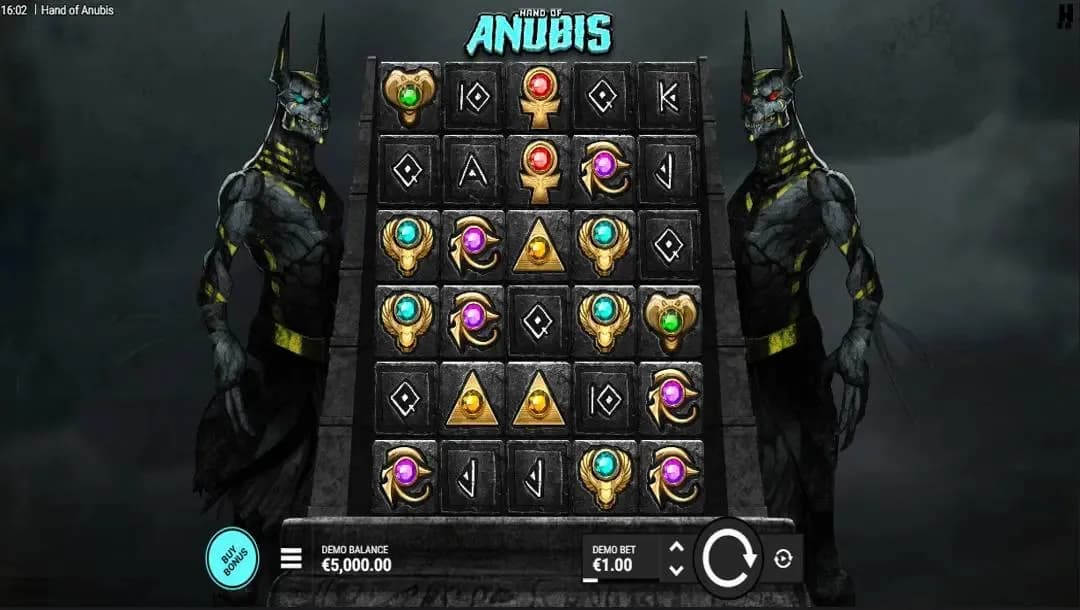
A more structured Hacksaw experience. Multipliers stack across spins, offering a slightly more controlled path to larger payouts.
Less chaotic than other Hacksaw titles, making it a good stabilizer in mixed hunts.
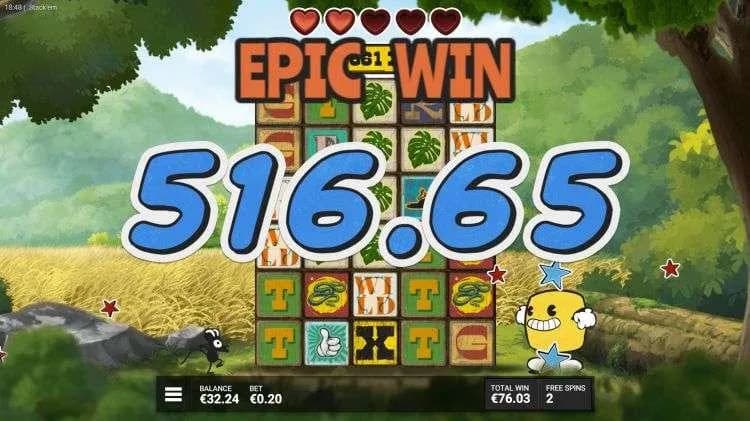
Underrated and highly scalable. Stacking mechanics and multiplier potential give it real upside without the same level of hype as other titles.
Strong balance between chaos and structure, making it reliable across longer hunts.
To round out your lineup:
These help diversify your hunt while staying within the Hacksaw volatility profile.
Hacksaw hunts require precision and consistency. Roobet fits well because:
When you’re dealing with extreme variance, execution speed and reliability matter more than anything.
Tracking Hacksaw is different from other providers.
You should track:
Because Hacksaw is so volatile, your edge comes from understanding:
With enough data, patterns emerge. SlotEssentials tools:
You’re not trying to eliminate variance; you’re trying to measure it accurately.
Hacksaw Gaming slots aren’t for everyone. They’re volatile, aggressive, and often unforgiving. But that’s exactly why they work in bonus hunts. You’re not grinding small edges. Instead, you’re positioning for outsized outcomes. The players who succeed here don’t panic during downswings. They understand the math, trust their structure, and stay consistent long enough for the variance to swing back.
